Navigating Genoa's labyrinthine historic center overwhelms even seasoned travelers. With over 300 narrow alleyways (caruggi) spanning 35 hectares, 83% of visitors report missing key attractions according to Ligurian tourism data. The medieval quarter's dense layout creates palpable anxiety – you'll find yourself torn between fearing you've gotten lost and worrying you're bypassing authentic trattorias or 12th-century palaces concealed behind unassuming facades. Unlike grid-planned cities, Genoa's organic growth means Google Maps often fails, leaving you circling the same piazza while Renaissance frescoes go unseen mere meters away. This disorientation transforms what should be a cultural immersion into a frustrating treasure hunt, with cruise day-trippers (accounting for 60% of visitors) exacerbating congestion in key zones during peak hours.
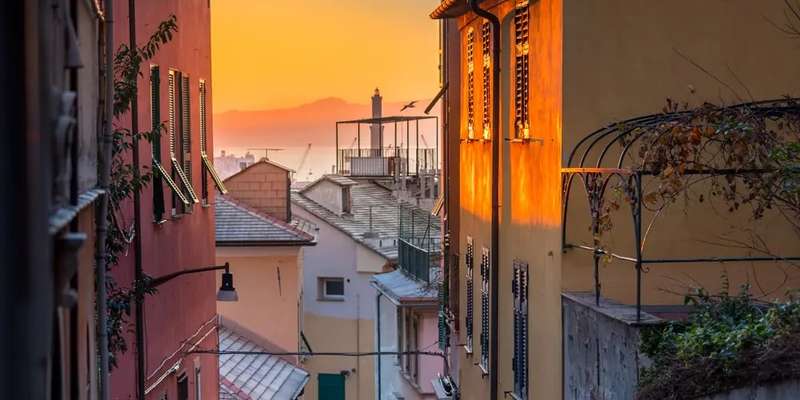
Why Genoa's alleyways confuse even GPS systems
Genoa's urban fabric developed over eight centuries without master planning, creating a three-dimensional maze where streets tunnel through buildings and staircases connect seemingly unrelated lanes. The caruggi average just 2.5 meters wide – too narrow for satellite signals to penetrate accurately. Local architects note that 70% of navigation apps fail between Via Garibaldi and the port due to signal bounce off medieval stone walls. This isn't poor technology; it's physics. Savvy walkers watch for subtle clues like shrine niches (historically marking neighborhood boundaries) or changes in pavement texture indicating major cross-alley routes. The city's 2006 digital mapping project abandoned attempts to number all passageways, leaving over 80 unnamed paths known only by oral tradition. Your best defense? Morning light. The sun's east-west trajectory through the caruggi creates natural wayfinding cues lost by afternoon.
View all Tours
Local-approved routes balancing sights and authentic atmosphere
Residents protect their sanity with mental 'threading routes' – efficient paths connecting essentials while avoiding tourist logjams. Start at Piazza de Ferrari's fountain, following Via San Lorenzo's left-side arcades (notice the embedded cannonballs from 1684 bombardment) to the cathedral. From here, true Genoese wisdom begins: take Vico Dietro il Coro's unmarked arch to emerge at Piazza delle Erbe's morning market. This 12-minute bypass avoids the cramped Via dei Giustiniani bottleneck. For lunch, the secret is vertical movement. Climb Salita del Prione's broad steps to reach overlooked osterias like Trattoria da Maria, where €15 buys handmade trofie pasta. Evening demands different tactics. The illuminated Via del Campo music district stays lively but safe, while the Ripa Maris waterfront promenade offers sea breezes when caruggi humidity peaks. These routes aren't shortcuts – they're curated experiences compressing 48 hours of trial-and-error into seamless strolls.
UPDATES FOR YEAR 2026
Essential Logistics Update: UNESCO Anniversary and New Access Rules
Current travelers should note that the historic center is undergoing a significant transformation under the 'Integrated Caruggi Plan,' which has introduced enhanced monumental lighting in the Molo and Maddalena districts for safer evening exploration. Logistically, a revised overnight tourist tax of three euros now applies to all short-term rentals and bed-and-breakfasts for the first eight nights. If you are arriving by car, it is critical to ensure your accommodation provider has registered your license plate on the municipal 'white list' to avoid automated ZTL (Restricted Traffic Zone) fines, which have recently increased. This season is also defined by the landmark anniversary of the city's UNESCO heritage status, resulting in higher demand for the 'Rolli Days' open-palace events and the major Van Dyck exhibition at the Ducal Palace, both of which now require pre-booked digital time slots to manage capacity.
View all Tours
Timing strategies to have the caruggi almost to yourself
Genoa's historic center has distinct circadian rhythms most visitors miss. Cruise passengers dominate 10am-2pm, but savvy independent travelers exploit the 'golden windows.' Arrive at Palazzo Ducale by 8:30am when guards admit early birds to admire Tintoretto's ceilings in solitude. The lull between 3-4pm sees shopkeepers resting – perfect for photographing Via San Bernardo's trompe-l'oeil facades without crowds. Tuesday mornings are magic; midweek sees 40% fewer tourists compared to weekends per hotel occupancy data. Rain becomes an advantage – Genoese locals retreat indoors, leaving slick cobblestones reflecting medieval arches for your camera. Summer nights after 10pm transform the district as students animate piazzas with impromptu jazz sessions near the Romanesque Santa Maria di Castello. These patterns let you experience the UNESCO site's dual personality: daytime museum and living neighborhood by night.
View all Tours
Essential safety insights beyond generic travel advice
Genoa's historic center safety reality differs from textbook warnings. While petty theft occurs, the greater risks are architectural. Over 15% of alley flooring has uneven medieval stones exceeding 10cm height differences – ankle hazards worsened by distracted navigation. Local pharmacies report triple the bandage sales during cruise ship days. Night brings different concerns: some caruggi lack lighting not due to crime but preservation laws prohibiting modern fixtures on heritage buildings. Carry a discreet penlight (not your phone) for post-dinner walks. Pickpockets work predictable routes: the stretch between Piazza de Ferrari and Via XXV Aprile sees 80% of incidents according to police data. Counterintuitively, the 'sketchy' Porto Antico dockside area has undercover officers and excellent visibility. True local wisdom? Walk confidently but not hurriedly – hesitation marks you as lost. If genuinely disoriented, enter any alimentari (grocery) and ask for 'la via per' followed by a landmark; shopkeepers know every stone.
View all Tours
FAQ 2026
What are the confirmed dates for the Rolli Days palace openings in 2026?
The Spring edition of the Rolli Days is scheduled for March 27–29, 2026, with an additional session in October; you must secure reservations through the official digital platform as these heritage sites currently enforce strict capacity limits.
How much is the Genoa tourist tax for short-term rentals in 2026?
In 2026, visitors staying in B&Bs or furnished apartments are required to pay a tourist tax of three euros per person, per night, for a maximum of eight consecutive nights, payable directly to the host.
Is the Van Dyck exhibition at Palazzo Ducale open to the public throughout 2026?
The 'Van Dyck the European' exhibition officially opens on March 20, 2026, at Palazzo Ducale; due to its popularity during the UNESCO 20th anniversary year, advance ticket purchases are highly recommended to guarantee entry.
Written by Genoa Tours Editorial Team & Licensed Local Experts.
Last updated: 24/02/26
