Genoa's Old Port (Porto Antico) is a mesmerizing blend of medieval history and modern vitality, yet most visitors miss its deepest stories. Over 2.4 million annual travelers stroll past the iconic Lanterna lighthouse without understanding how these cobblestones shaped Mediterranean trade for centuries. The frustration is palpable - you see groups squinting at maps, circling the same tourist traps while the port's authentic soul remains hidden. Without local context, the renovated waterfront risks feeling like just another pretty marina rather than the birthplace of maritime insurance and the gateway for Marco Polo's adventures. This disconnect leaves travelers with surface-level experiences when the port's 12th-century warehouses and hidden piazzas hold tales that could transform your understanding of European commerce.
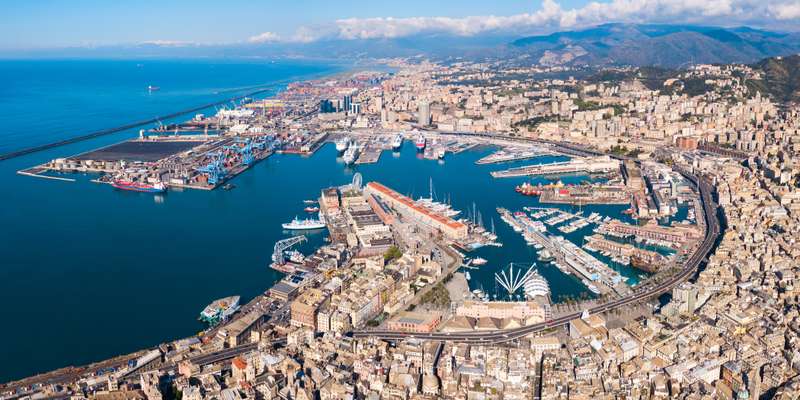
Decoding the layered history beneath Genoa's waterfront
The Old Port's current lively atmosphere belies its strategic importance as Europe's first great commercial harbor. What appears as charming cafes along Calata Marconi were once the nerve center of medieval shipping empires. The Galata Maritime Museum's location is no accident - this was where Genoese shipbuilders created revolutionary vessel designs that dominated Mediterranean trade routes. Look closer at the Palazzo San Giorgio's facade to spot maritime symbols revealing its dual role as 13th-century bank and prisoner-of-war camp. Even the modern Biosphere structure pays homage to Genoa's tradition of botanical exploration through maritime trade. These layers become visible when you know where to look, turning a casual stroll into a journey through eight centuries of economic and cultural exchange.
UPDATES FOR YEAR 2026
New Logistics for Porto Antico: Digital Access and Waterfront Transformation
Navigating Genoa’s maritime hub now requires a digital-first approach to avoid entry friction. Most major sites, including the Aquarium and the Galata Maritime Museum, have transitioned to mandatory timed entry slots to manage visitor flow and preserve the historic structures. Travelers should utilize the 'Genova Museum Card' via the official AMT app, which now integrates seamless 'Tap & Go' contactless payments for the historic elevators and the Navebus shuttle. The ongoing completion of the 'Waterfront di Levante' project has also shifted pedestrian routes; the new scenic promenade now connects the Old Port directly to the residential districts, offering a continuous sea-level path that bypasses former industrial bottlenecks. Additionally, a new environmental ZTL (Limited Traffic Zone) is active around the port perimeter, making the 'Park & Ride' options at the Dinegro interchange the most efficient way to access the historical center without incurring heavy fines.
View all Tours
Navigating the port's hidden historical gems without crowds
While most visitors cluster around the Aquarium (Europe's largest), savvy explorers find quieter pathways to the past. The Commenda di Pré, a 12th-century pilgrim hostel, often has no queues despite its stunning frescoes and direct connection to Crusade-era travelers. Early mornings at the Darsena boat sheds reveal original medieval dry docks where workers still repair traditional ligurian gozzi boats. For the best perspective, take the panoramic elevator inside the Matitone skyscraper - unlike the crowded Lanterna climb, this secret spot offers sweeping views showing how the ancient port integrates with modern Genoa. Locals know the Mercato Orientale's morning fish auction continues traditions established when the port fed the Republic of Genoa's growing population.
View all Tours
Understanding Genoa's maritime legacy through local experiences
The port's true significance emerges through hands-on encounters with living traditions. At the Cooperativa Pescecatori, third-generation fishermen demonstrate net-mending techniques unchanged since medieval times. The nearby Museo del Mare doesn't just display artifacts - its workshops let you try navigational tools used by Genoese explorers. For deeper insight, time your visit with the Regata Storica when traditional wooden boats recreate historic harbor scenes. Even dining at Trattoria da Maria becomes a history lesson when you learn how its seafood risotto recipe traveled from Genoese colonies in the Black Sea. These experiences reveal how the port's golden age still influences daily life in Genoa's backstreets.
View all Tours
Planning your perfect historical exploration of Porto Antico
To fully appreciate the port's chronology, structure your visit like an archaeologist working through strata. Begin at water level with the Roman-era foundations visible near the Mandraccio harbor, then move upward through time at the Renaissance-era Loggia della Mercanzia. The Soprano ramparts offer a military perspective on harbor defenses, while the modern Renzo Piano redesign demonstrates Genoa's ongoing maritime identity. Smart travelers combine this spatial approach with temporal awareness - visit during the May Velalonga regatta to see historic vessels sailing past contemporary cruise ships. Leave time to simply sit at Piazza Cavour with an espresso, observing how centuries of maritime commerce continue shaping Genoese culture today.
View all Tours
FAQ 2026
Do I need to book tickets in advance for Genoa Aquarium in 2026?
Yes, for 2026, the Genoa Aquarium requires visitors to select a specific date and entry time slot online. Same-day walk-in availability is extremely limited during peak seasons, so digital booking is essential to guarantee entry and skip the ticketing queues.
What is the best way to travel between the Old Port and the Genoa Forts in 2026?
In 2026, the most efficient route is the newly upgraded cable car system and the historic Zecca-Righi funicular. Your 'Genova Museum Card' or a standard 24-hour AMT tourist pass covers these rides, providing a direct link from the maritime district to the mountain defenses.
Are there new tourist taxes or entry fees for Genoa's historic port area in 2026?
While the Porto Antico remains a public space, a small environmental sustainability fee is now integrated into the 'Genova Pass' for those using public transport or entering the ZTL zones. Visitors staying in local accommodations will see a slightly adjusted daily tourist tax which supports the preservation of the UNESCO-listed Palazzi dei Rolli.
Written by Genoa Tours Editorial Team & Licensed Local Experts.
Last updated: 24/02/26
