Genoa's labyrinthine alleys and vibrant port atmosphere make it a captivating destination, but its complex urban layout and crowded tourist spots present unique safety challenges. Over 60% of travelers report feeling disoriented in the historic center's caruggi (narrow alleys), while pickpocketing incidents in busy areas like Via XX Settembre remain a top concern according to local police data. The city's industrial heritage and nightlife districts also create safety perceptions that don't match reality when you know where to go. First-time visitors often miss subtle but important cues – from recognizing legitimate taxi stands to understanding which waterfront areas to avoid after dark. These safety uncertainties can transform what should be a delightful exploration of medieval Europe's most powerful maritime republic into a stressful experience. With cruise ship day-trippers comprising nearly 40% of visitors annually, temporary tourists become prime targets for common scams simply because they lack local context about genuine services versus tourist traps.
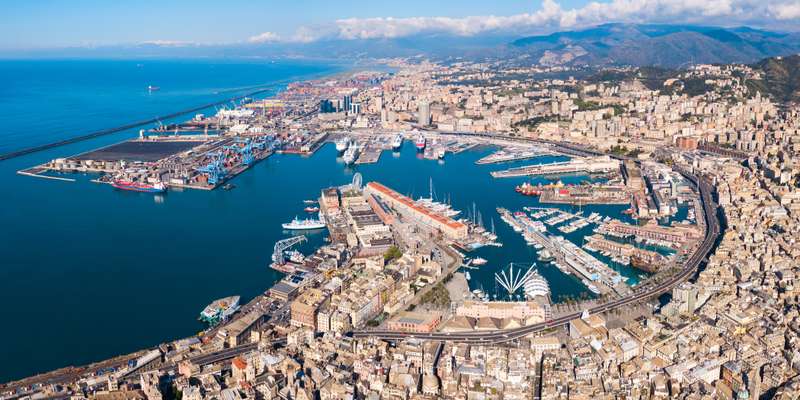
Navigating Genoa's tricky alleyways without getting lost or targeted
Genoa's UNESCO-listed historic center boasts Europe's largest medieval quarter, but its maze-like caruggi require smart navigation strategies. While these atmospheric alleys are generally safe during daylight hours, their confusing layout makes visitors visibly vulnerable. Savvy travelers stick to well-trafficked routes between major landmarks like Piazza De Ferrari and the Cathedral of San Lorenzo, where local shopkeepers keep watch. The key is moving purposefully – studying your route on an offline map before entering narrow passages prevents the hesitant body language that marks you as a target. Genovese locals recommend using the 'salita' (uphill) and 'discesa' (downhill) indicators on street signs to maintain directional bearings. For evening exploration, focus on the illuminated cultural circuit called the 'Rolli Days' route, where palazzos provide natural lighting and security cameras. Free municipal wi-fi hotspots in piazzas offer safe digital access points without requiring you to linger in isolated spots checking your phone.
View all Tours
Where to stay in Genoa – balancing charm with security
Choosing the right neighborhood dramatically impacts your safety experience in this layered city. The hillside Castelletto district offers breathtaking views with well-lit staircases and elevator access, favored by safety-conscious locals for its residential calm just minutes from the chaos. Mid-range hotels near Brignole train station provide 24-hour front desks and easy transit connections, while budget travelers should avoid the dimly lit streets behind the port warehouses. Genoa's unique 'albergo diffuso' concept – where historic buildings are converted into scattered-room hotels with centralized reception – gives you authentic charm with security oversight. For families, the Caruggi area's boutique B&Bs near Piazza delle Erbe strike the perfect balance, with owners who provide neighborhood orientation maps highlighting which alleys to avoid after dark. Always verify your accommodation has a working night entrance with intercom – many historic buildings lack 24/7 doormen.
View all Tours
Outsmarting pickpockets in crowded markets and transit hubs
Genoa's bustling markets and efficient metro system require different defensive tactics than other Italian cities. At the legendary Mercato Orientale, thieves exploit the distraction of aromatic food stalls – wear cross-body bags with zippers facing forward and avoid back pockets entirely. On the metro, the escalators at San Giorgio station see the highest incident rates; hold bags in front of you when riding. A local trick involves carrying a decoy wallet with expired cards in your back pocket while keeping valuables in a money belt beneath your clothes. Train travelers should be especially vigilant at Principe station's underground passageways, where organized groups often create commotion distractions. The city's innovative 'safe corridor' program means shops displaying yellow 'Angolo Sicuro' stickers will assist tourists in emergencies – memorize this symbol when you arrive.
UPDATES FOR YEAR 2026
Modern Transit Security and Digital Safety Protocols
Navigating Genoa now requires a digital-first approach to safety. The AMT public transport network has transitioned to fully contactless and app-based ticketing; avoid purchasing paper tickets from unauthorized street vendors, as these are often counterfeit and leave you liable for heavy fines. Use the 'MyAMT' official app for real-time tracking and secure payments. Additionally, the city has expanded its 'Smart City' surveillance network, particularly around the high-traffic zones of Via Prè and the waterfront. Travelers should be aware of the new Low Emission Zone (ZTL) regulations; if arriving by car, ensure your vehicle meets current environmental standards to avoid automated camera-enforced fines that are mailed internationally. For immediate assistance, look for the 'Punti Informativi' near the Aquarium which now offer direct SOS links to local carabinieri via QR codes posted at every official bus stop.
View all Tours
Nighttime safety – enjoying Genoa's aperitivo culture wisely
Genoa's vibrant evening scene centers around the historic port renewal area but requires smart positioning. The renovated Porto Antico area maintains excellent lighting and police presence until midnight, making it ideal for first-night exploration. For authentic aperitivo spots, the safer options cluster along Via San Vincenzo where university students and locals mingle. Avoid walking alone along the dark stretches between Piazza della Nunziata and the port after 11pm – even locals take taxis for this route. Genoa's unique 'taxi sharing' system at designated stands (like Piazza De Ferrari) lets solo travelers split rides safely with verified partners. If enjoying the nightlife near Piazza delle Erbe, note that bars displaying 'Controllo ID' stickers have security checking IDs at entry – these venues maintain better crowd control. Always have your hotel's card with the address in Italian to show taxi drivers, as many don't speak English.
View all Tours
FAQ 2026
Is the historic center of Genoa safe for solo travelers in 2026?
Yes, the historic center is safe, especially within the 'Sestiere della Maddalena' which has seen increased security patrols and improved street lighting in 2026. Solo travelers should stick to the main thoroughfares like Via Garibaldi and avoid the deeper, unlit caruggi after 10:00 PM.
What are the new public transport safety rules in Genoa for 2026?
In 2026, Genoa emphasizes contactless payments. You must validate your digital ticket or credit card at the gate before boarding the Metro or elevators. To avoid scams, never accept 'help' from strangers at ticket machines in Principe or Brignole stations; use the official app or tap-to-pay terminals instead.
Are there any specific tourist scams to watch out for in Genoa during 2026?
Common scams in 2026 involve unauthorized 'tour guides' offering hidden paths through the caruggi and counterfeit 'Eco-Pass' sellers near the port. Always book tours through official portals and remember that there is no daily 'entry fee' to walk through the historic center, despite what unofficial street touts may claim.
Written by Genoa Tours Editorial Team & Licensed Local Experts.
Last updated: 24/02/26

