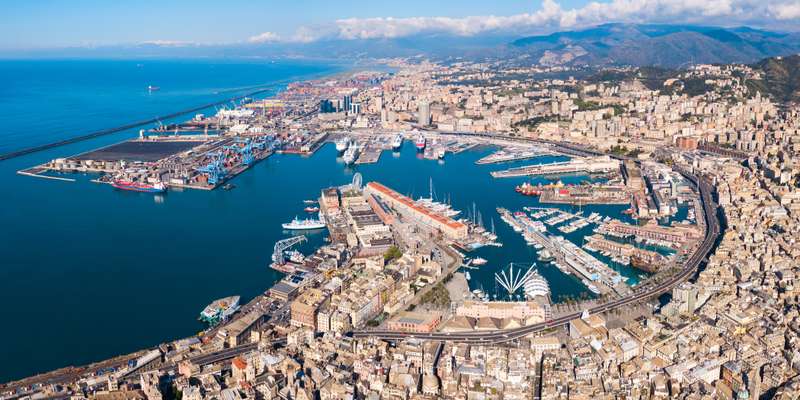
Navigating Genoa's public transport system can be daunting for first-time visitors. With a metro system that only covers part of the city, a network of buses that wind through narrow medieval streets, and ticket machines that aren't always English-friendly, many travelers waste precious vacation time figuring out how to get from A to B. Over 60% of tourists report spending at least an hour per day lost or waiting for transport in Genoa, according to recent tourism surveys. The frustration mounts when you realize those steep, caruggi alleys make walking between districts more challenging than in other Italian cities. But understanding Genoa's transport options means you can spend less time deciphering routes and more time enjoying pesto pasta, Renaissance palaces, and Mediterranean views.
Decoding Genoa's hybrid transport network
Genoa's transport system combines a single metro line, extensive bus routes, and funiculars climbing the city's steep hills. The metro (operated by AMT) runs from Brin to Brignole station, useful for reaching the historic center from western neighborhoods but limited in coverage. Buses fill the gaps, with key routes like the 18/18R circling the city center and the 385 connecting to Nervi's scenic seaside promenade. What confuses many visitors is the lack of clear signage at stops and the need to validate paper tickets in small machines onboard. Locals know to check real-time bus locations via the AMT mobile app before heading to stops, as narrow streets often cause delays. For hilltop districts like Castelletto, the public elevators and Zecca-Righi funicular offer panoramic shortcuts that even some guidebooks overlook.
View all Tours
Smart ticket options to avoid overpaying
Genoa's transport tickets come in several formats, and choosing the wrong one can double your daily costs. Single paper tickets (€1.60) make sense for occasional rides but require exact change at tobacco shops. The 24-hour pass (€4.50) pays for itself after three trips and includes funiculars - a lifesaver when exploring the UNESCO-listed Rolli palaces spread across different elevations. Students and seniors should ask for the €3.50 reduced day pass at ticket offices. Tech-savvy travelers can bypass ticket lines entirely by purchasing mobile tickets through the AMT app, though this requires an Italian phone number for verification. During summer months, watch for the 'Genova City Pass' that bundles transport with museum entries - ideal for culture lovers tackling multiple attractions in the Caruggi district.
UPDATES FOR YEAR 2026
Instant Contactless Payments and Integrated Fare Updates
Genoa has fully transitioned to a 'Tap & Go' contactless system, effectively eliminating the need to hunt for tobacco shops or newsstands. You can now bypass paper tickets by tapping any major credit or debit card (Visa, Mastercard, or Maestro) on the red validators installed on all buses, metro stations, and public lifts. A single fare now costs €2.00 and remains valid for 110 minutes across the entire urban network. A major logistical upgrade for families is the multi-passenger feature: a single credit card can now be used to pay for up to four people simultaneously by tapping multiple times on the same validator. Additionally, the previous trial for free metro and lift usage has concluded for visitors; all non-residents must now possess a valid ticket or digital pass at all times to avoid significant fines during frequent inspections.
View all Tours
Timing tricks for stress-free commuting
Genoa's transport follows a different rhythm than larger Italian cities. Morning rush hour (7:30-9:30 AM) sees packed buses heading toward the port and financial district, while midday services thin out significantly. Locals avoid the 6 PM crush when workers return to suburbs by delaying dinner outings. Sundays and August bring reduced schedules, particularly on routes serving business areas. Savvy travelers plan museum visits around transport frequency - the 20-minute walk from De Ferrari Square to the Galata Maritime Museum becomes preferable when waiting 40 minutes for a bus. Key connections like the Brignole-to-Porto Antique route (bus 18/18R) maintain decent frequency until midnight, but always verify last departures if enjoying Genoa's famous late-night focaccia shops.
View all Tours
Accessible alternatives when buses won't suffice
Certain Genoa experiences demand transport creativity. Reaching the cliffside Camogli fishing village or Nervi's parks via bus 385 takes 45 minutes from the center, while trains from Genova Brignole station cover the distance in 12 minutes for a comparable price. Taxis become cost-effective for groups heading to the Aquarium after dark, when buses run infrequently. For a truly local experience, consider the 'trenino di Casella' - a vintage mountain railway offering breathtaking escapes to the Appennines. Those staying longer might discover Genoa's bike-sharing system (first 30 minutes free) works well along the renovated waterfront, though the hilly old town remains challenging. Remember that Genoa's walkability varies dramatically by district; comfortable shoes matter more than transport apps when exploring the labyrinthine Old Quarter's car-free alleys.
View all Tours
FAQ 2026
What is the price of a single public transport ticket in Genoa for 2026?
In 2026, a standard single ticket costs €2.00 and is valid for 110 minutes of travel across the entire AMT network, including buses, the metro, funiculars, and public lifts.
Can I use contactless credit cards on all Genoa transport in 2026?
Yes, for 2026, all AMT vehicles and stations are equipped with 'Tap & Go' red validators. You can pay for yourself and up to three additional companions using a single contactless card or mobile wallet.
Are the public lifts and the metro still free for tourists in 2026?
No, the free travel initiative for non-residents has ended. In 2026, tourists must use a standard €2.00 ticket, a 24-hour pass, or the 'Tap & Go' system to access the metro, lifts, and funiculars.
Written by Genoa Tours Editorial Team & Licensed Local Experts.
Last updated: 24/02/26
