Exploring Genoa's UNESCO-listed historic center presents a unique challenge for travelers. The labyrinthine caruggi (medieval alleys) that make this city so enchanting also create navigation difficulties, with 60% of visitors reporting they've gotten lost in the network of narrow passages. Safety concerns compound the issue – while violent crime rates remain low, the dense urban environment requires situational awareness most guidebooks don't provide. First-time visitors often miss the subtle signage indicating safe routes through the medieval quarter or waste precious vacation time circling back to major landmarks. This creates unnecessary stress in what should be a magical immersion in Renaissance Italy, where every turn reveals another hidden piazza or artisan workshop waiting to be discovered.
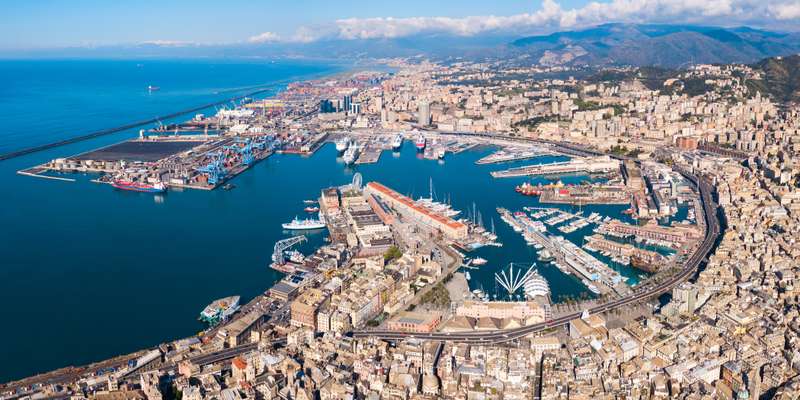
Decoding Genoa's alley network – how to spot safe routes
The caruggi's charm lies in their medieval unpredictability, but locals recognize subtle patterns that ensure safe passage. Note the painted yellow markers at alley intersections – these municipal waypoints trace protected paths between major landmarks. After sunset, prioritize routes with active shopfronts or bars, as the constant foot traffic deters pickpockets. Areas near the University of Genoa (via Balbi) and around Palazzo Ducale maintain vibrant street life into the evening. Watch for 'vicolo cieco' signs indicating dead-end alleys best avoided after dark. Pro tip: The slight upward slope of Via San Lorenzo reliably leads back to the cathedral, your central orientation point. These visual cues transform an intimidating maze into a navigable open-air museum of Genovese history.
UPDATES FOR YEAR 2026
Essential Access Updates and Enhanced Safety Protocols for the Medieval District
Navigating the historic quarter is now safer and more efficient due to the recent completion of the 'Piano Caruggi' urban project. Key safety corridors in the Maddalena and Prè sectors have been upgraded with high-density LED lighting and 24/7 smart surveillance, specifically designed to protect pedestrian flow. For seamless logistics, the AMT public transport system—including the metro, funiculars, and historic elevators—now features universal 'Tap & Go' contactless technology, allowing travelers to pay with a single card or device for up to four people simultaneously. Look for the yellow 'Angolo Sicuro' (Safe Corner) decals on storefronts throughout the caruggi alley network, identifying businesses committed to assisting travelers in distress or providing immediate local orientation. Note that the Limited Traffic Zone (ZTL) boundaries have tightened; if your accommodation is central, digital license plate registration is now a mandatory prerequisite to avoid automated gate fines.
View all Tours
Timing your exploration – when locals walk these streets
Genoa's historic quarters operate on distinct rhythms that impact both safety and experience quality. Mornings (9-11am) see shopkeepers opening their stores, creating natural surveillance along commercial alleys – ideal for photography without crowds. The post-lunch lull (2-4pm) means quieter passages but also fewer eyes; stick to main routes like Via Garibaldi during these hours. Magic hour arrives at 5:30pm when golden light filters through the caruggi and locals take their passeggiata (evening stroll). This creates perfect conditions to follow resident families toward the safe, lively areas spontaneously. Sundays bring closure to many businesses, making the district feel more isolated – better spent exploring the open waterfront instead. Syncing with these patterns lets you absorb authentic atmosphere while minimizing risks.
View all Tours
Local-approved walking routes through centuries of history
Three curated itineraries balance safety with deep cultural immersion. The 'Golden Mile' traces Via Garibaldi's Renaissance palazzos (now museums) with wide, well-lit sidewalks. For authentic vibes, the 'Sailor's Loop' starts at Porto Antico, winds through Piazza delle Erbe's food stalls, and concludes at San Lorenzo Cathedral – all along merchant routes historically patrolled for security. Adventurous souls can try the 'Hidden Courtyards' path linking five tranquil residential squares (Piazza San Donato to Piazza dei Truogoli), where elderly residents keep watch from their windows. Each route stays within 1km of emergency call boxes (marked with blue lights) and passes at least two open cafes for quick refuge if needed. These pathways reveal Genoa's layered history while respecting modern urban safety needs.
View all Tours
Where to stay for seamless access to Genoa's heritage
Strategic accommodation choices eliminate late-night navigation through questionable areas. The Maddalena district offers boutique hotels just steps from the historic center but with better lighting and accessibility. For budget travelers, the hillside Ospitalità del Monastero provides monk-hosted rooms near the safe elevator connecting to Piazza del Ferro. Families appreciate the Genova Brignole area's mid-range chain hotels, a 15-minute walk from the old town via broad, well-trafficked streets. Avoid the harbor-adjacent streets near Via Pré after dark, despite their tempting rates. Proximity to the De Ferrari metro station or a major piazza ensures you're never more than 10 minutes from your base after evening explorations, with taxi stands consistently available at these hubs.
View all Tours
FAQ 2026
What are the best safe walking routes in Genoa's caruggi for 2026?
In 2026, travelers should prioritize the designated 'Safe Corridors' in the Maddalena and Prè districts, which are now equipped with enhanced LED lighting and increased security monitoring. For extra safety, look for the yellow 'Angolo Sicuro' stickers on shop windows, which indicate local businesses that provide emergency assistance to tourists.
Do I need a physical ticket for Genoa's public transport in 2026?
No physical ticket is required in 2026. The entire AMT network, including the metro and public elevators, uses a contactless 'Tap & Go' system. You can simply tap your credit card or smartphone on the red validators. This system also allows a single card to pay for a group of up to four people at a discounted rate.
How can I avoid fines in Genoa's Limited Traffic Zones (ZTL) in 2026?
To avoid ZTL fines in 2026, visitors with cars must ensure their accommodation provider registers their license plate on the municipal 'white list' via the official portal 24 hours before arrival. The city now uses automated AI-gate cameras to monitor all entrances to the historic center, and unauthorized entry results in immediate electronic citations.
Written by Genoa Tours Editorial Team & Licensed Local Experts.
Last updated: 24/02/26

