Navigating Genoa's bustling seafood markets can overwhelm even seasoned travelers. With over 70% of visitors reporting confusion about seasonal availability and fair pricing, many miss out on the freshest catches or pay tourist premiums. The anxiety of choosing wrong—whether selecting overpriced lobster or missing peak anchovy season—casts a shadow on what should be a highlight of Ligurian travel. Fishmongers' rapid-fire Italian and the morning rush of local chefs add to the pressure, leaving tourists vulnerable to subpar purchases. This guide cuts through the chaos with渔民-approved strategies for identifying quality specimens and cultural norms around bargaining, ensuring your market experience matches Genoa's legendary maritime reputation.
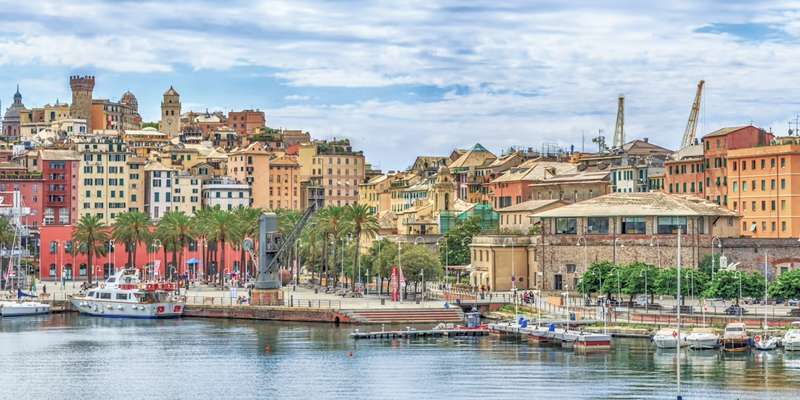
Decoding the early morning fish market rush
The true magic of Genoa's Mercato del Pesce unfolds between 5-7AM when restaurant chefs and savvy locals secure the day's best catches. By 9AM, though stalls remain abundant, prime selections like branzino and scarlet prawns dwindle significantly. Timing matters less for preserved specialties like salt-cured baccalà, but fresh seekers should embrace the dawn. Watch for white-coated inspectors checking temperatures—their presence guarantees adherence to strict EU seafood standards. Don't mistake the lively shouting for aggression; it's a generations-old auction system where quality dictates decibel levels. Elderly signoras clustering around a vendor often indicate exceptional value, their decades of experience spotting what tourists miss.
View all Tours
The fisherman's guide to identifying freshness
Genoese fishmongers respect buyers who demonstrate knowledge of gill color (bright red), eye clarity (bulging and clear), and sea scent (briny, not fishy). October through March brings prized purple sea urchins, while summer months showcase translucent anchovies perfect for classic acciughe ripiene. Beware vendors offering to clean purchases—some substitute inferior fish during the process. Instead, learn the local cutting code: "spinar" means butterflied with bones removed, while "trito" indicates chopped for stews. For shellfish, tap closed mussels—if they don't shut tightly, pass. These subtle checks transform you from target to informed buyer, often unlocking better prices and insider tips.
View all Tours
Navigating the hidden market tiers like a local
Few tourists realize Genoa's seafood ecosystem operates on three tiers. The main hall's center stalls pay premium rents reflected in prices, while perimeter vendors often source from the same boats at 15-20% discounts. For truly revolutionary deals, descend to the wholesale area where small purchases are tolerated post-8AM. The Mercato Orientale's seafood section offers more English assistance but slightly older inventory. True connoisseurs visit the docks at Ponte Morosini at sunrise when returning fishermen sell directly from boats—cash only, no scales, prices set by the crate. This unfiltered access comes with responsibility: bring your own bags, know basic Italian measurements (etto=100g), and never handle product without invitation.
UPDATES FOR YEAR 2026
Digital Traceability and New Payment Mandates in Genoa’s Fish Markets
Navigating Genoa’s seafood stalls now requires an understanding of the latest digital logistics. Under new EU-wide and Italian regulations, every stall is now required to display digital traceability data—usually via a QR code on the price tag—allowing you to verify the specific vessel, catch zone, and sustainability certification (such as MSC or ASC) in real-time. Furthermore, a major shift in Italian fiscal law now mandates that all vendors, even small-scale dockside fishermen, must accept digital payments through telematic registers linked directly to the revenue agency. While carrying a few small coins remains useful for the €2–3 communal cleaning fee, the days of cash-only requirements at the main hubs are over. Additionally, be aware that the Restricted Traffic Zones (ZTL) around the Porto Antico have been tightened; vehicle access is strictly for residents and permitted suppliers, so plan to arrive via the expanded electric shuttle network or use the integrated parking silos if you are transporting a significant catch.
View all Tours
From market to meal – Genoa's seafood prep secrets
That flawless turbot deserves preparation matching its quality. Most Genoese apartments lack proper fish-cleaning facilities, but the market's communal cleaning stations (look for "pulitura pesce" signs) solve this for €2-3. For immediate consumption, seek bars with "cuin" signs—they'll grill purchases for a corkage-style fee. The ultimate hack? Befriend a friggitoria owner; many will fry your selections alongside their famous panissa for a shared feast. Remember cultural nuances: requesting lemon with shellfish marks you as foreign (locals use vinegar), while asking to sample raw seafood violates market etiquette. These unspoken rules mastered, you'll enjoy crustaceans so fresh they seem to dance in the pan—just like Liguria's nonne have done for centuries.
View all Tours
FAQ 2026
Do I need to carry cash for Genoa seafood markets in 2026?
While having small change is helpful for cleaning station fees, Italian law in 2026 mandates that all market vendors must accept digital payments, including contactless cards and mobile wallets, through integrated telematic registers.
How can I check if fish is sustainably caught in Genoa in 2026?
Per the 2026 EU Fisheries Control Regulation, look for the mandatory digital QR codes on market stalls; scanning these will provide the catch date, the ship's registration number, and specific sustainability certifications like the 'Blue Label' or ASC.
What is the best way to transport large seafood purchases in Genoa in 2026?
Due to 24/7 ZTL (Restricted Traffic Zone) enforcement around the Porto Antico in 2026, tourists cannot drive to the stalls. It is recommended to bring an insulated, reusable leak-proof bag and use the frequent electric shuttles that connect the waterfront to the main parking silos.
Written by Genoa Tours Editorial Team & Licensed Local Experts.
Last updated: 24/02/26
