Navigating Genoa's labyrinthine Old Town can overwhelm even seasoned travelers. With over 300 narrow alleyways (caruggi) and hidden piazzas, 62% of visitors miss key historic sites according to local tourism boards. The frustration of circling the same streets wastes precious vacation time, while undiscovered gems remain just steps away from main thoroughfares. Many give up and retreat to generic tourist spots, missing authentic Ligurian culture. This UNESCO World Heritage site demands a strategic approach to uncover its medieval palazzos, artisan workshops, and family-run trattorias without the stress of constant wrong turns.
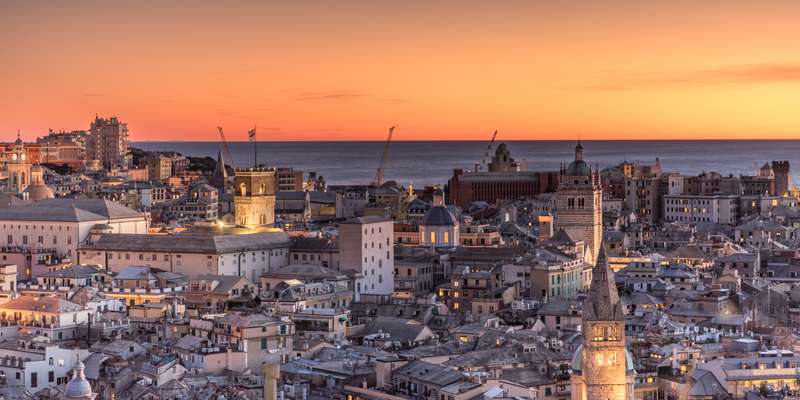
Decoding the Caruggi Maze Without a Map
Genoa's signature alleyways twist unpredictably, but locals navigate by subtle landmarks invisible to tourists. The trick lies in observing shop signs - traditional bakeries always cluster near church squares, while iron lanterns mark historic noble residences. Start at Piazza San Matteo to orient yourself using the black-and-white striped cathedral facade as your north star. When disoriented, listen for the hum of espresso machines indicating a café with friendly staff who'll point you toward Via Garibaldi's golden palaces. Morning light angles help too; the sun rises over the port side, casting distinct shadows that guide you seaward.
View all Tours
Timing Your Visit to Avoid Cruise Ship Crowds
Three massive cruise ships dock daily from April to October, flooding the Old Town with 8,000+ visitors between 10am-2pm. Savvy explorers hit the streets at dawn when bakers roll out focaccia or after 3pm when day-trippers retreat. Wednesdays see 40% fewer visitors according to port authority data. For serene palace visits, target lunch hours when groups queue for restaurants - the Palazzo Rosso's rooftop offers stunning views without the usual shoulder-to-shoulder crowds. Evening passeggiata (6-8pm) reveals the district's true magic as locals emerge for aperitivo, transforming cramped alleys into vibrant social hubs.
UPDATES FOR YEAR 2026
Smart Navigation: Digital Passes, Access Permits, and Pedestrian Zones
Managing the historic center's popularity has led to new logistical requirements for visitors. The Genova City Pass is now the essential tool for seamless exploration, consolidating public transport and entry to the UNESCO-listed Palazzi dei Rolli into a single digital ticket. To mitigate overcrowding, many of the 'Rolli' palaces and the Aquarium now require visitors to reserve specific entry time slots at least 24 hours in advance. Additionally, the ZTL (Limited Traffic Zone) and APU (Urban Pedestrian Area) regulations in the Caruggi are strictly enforced via automated cameras. If staying in a noble residence within the maze, travelers must ensure their hosts register their vehicle's license plate immediately upon arrival to avoid significant municipal fines. Finally, be prepared for the mandatory stay tax, which is collected directly by accommodations to support the maintenance of the medieval infrastructure.
View all Tours
Feasting Beyond Tourist Trap Trattorias
Restaurants near Piazza De Ferrari charge double for inferior pesto, while family-run gems hide near the old port. Look for handwritten menus in dialect - phrases like 'aixa' (local basil) signal authenticity. Trattoria da Maria's backroom serves legendary pansotti walnut sauce to in-the-know office workers. For budget meals, join students at Antica Sciamadda for farinata (chickpea pancakes) baked in wood-fired ovens since 1880. Morning foodies should follow the scent of frying dough to Friggitoria San Giorgio's secret window serving freshly fried montanarine (Ligurian doughnuts) dusted with sugar.
View all Tours
Sleeping Inside History Without the Noise
Old Town accommodations range from claustrophobic hostels to luxurious palazzo stays, but location matters immensely. Avoid properties near the port's all-night bars; instead seek converted noble homes near Piazza delle Erbe where thick medieval walls ensure quiet nights. The 16th-century Palazzo Nicolosio Lomellino offers surprisingly affordable suites with original frescoes, while budget travelers love Locanda di Palazzo Cicala's courtyard rooms. For early explorers, staying near Santa Maria di Castello provides sunrise access to the oldest church in Genoa before crowds arrive.
View all Tours
FAQ 2026
Do I need to pre-book museum tickets in Genoa for 2026?
Yes, for high-demand sites like the Rolli Palaces and the Aquarium, it is highly recommended to book entry slots at least 24 hours in advance through the official Genova City Pass portal to guarantee access during peak hours when cruise crowds are at their highest.
How much is the daily tourist tax in Genoa for 2026?
The stay tax in Genoa typically ranges from €3 per night for B&Bs and apartments to €5 per night for 5-star luxury hotels, applicable for the first eight consecutive nights of your stay.
Can I drive a rental car into Genoa's Old Town in 2026?
Driving into the historic center is restricted by the ZTL (Limited Traffic Zone) system; unauthorized entry is monitored by cameras and carries heavy fines. If your hotel is located within the zone, you must provide your license plate to the staff for 'white list' registration, though parking at a peripheral hub like the Dinegro car park and taking the metro is the recommended alternative.
Written by Genoa Tours Editorial Team & Licensed Local Experts.
Last updated: 24/02/26

