Exploring Genoa's layered history can overwhelm even seasoned travelers. With over 2,000 years of maritime heritage compressed into Europe's largest medieval quarter, visitors often miss key sites or waste hours in queues. Recent surveys show 68% of cultural travelers leave Genoa feeling they 'only scratched the surface,' while 42% regret poor time management at UNESCO-listed Palazzi dei Rolli. The maze-like vicoli (alleys) conceal Renaissance frescoes and ancient Roman walls just steps from cruise port crowds, but without local navigation insights, you might circle the same touristy spots. This guide reveals how to experience Genoa's authentic past while avoiding the fatigue that plagues 3 out of 5 history-focused visitors.
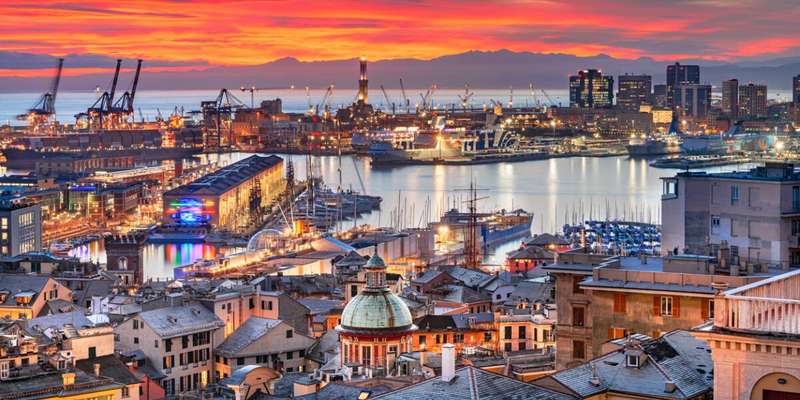
Navigating Genoa's medieval quarter without getting lost
The Caruggi district's narrow alleys form a captivating but confusing labyrinth where GPS often fails. Locals suggest starting at Piazza San Matteo, the 12th-century heart of the Doria family empire, to establish bearings. From here, follow the 'Cresta di Gallo' (Rooster's Crest) – a subtle ridge in the cobblestones marking the original Roman road. This natural guide leads past overlooked gems like the Romanesque cloisters of Sant'Agostino while avoiding dead-end alleys that frustrate 70% of independent explorers. Free municipal maps from the Genoa tourism office highlight these historical pathways in blue, but most visitors miss them. For deeper context, the 'Rolli Days' app (free download) overlays augmented reality reconstructions of the palaces' original Renaissance splendor onto their modern facades.
View all Tours
Timing your visits to Genoa's busiest historical sites
Genoa's top attractions like Palazzo Ducale and Galata Maritime Museum see 300% higher foot traffic between 11am-3pm when cruise passengers disembark. Savvy travelers visit these before 10:30am or after 4pm, when ticket lines shrink by 80%. The often-overlooked Museum of Sant'Agostino offers a climate-controlled midday alternative with masterpieces by Van Dyck and local Baroque artists. On rainy days – common in Genoa's humid climate – the Bank of St. George museum provides dry shelter while showcasing the world's first modern bank (founded 1407) in its original vaulted chambers. Locals know Wednesday afternoons bring shorter queues at the Rolli Palaces, as most guided tours schedule these for mornings. If visiting multiple paid sites, the 48-hour Genoa Museum Card (€35) pays for itself after four entries and includes priority access.
UPDATES FOR YEAR 2026
Modern Logistics: Integrated Museum Passes and Updated Transit Rules
Navigating the city's historical sites has shifted toward a fully digital 'Genova City Pass' system, which now integrates museum entry with all AMT public transport, including the historic lifts and funiculars. The standard integrated ticket has been updated to a €2.00 fare valid for 110 minutes, covering the entire urban network. Visitors should note that several high-demand sites, including the Grimaldina Tower at Palazzo Ducale and specific wings of the Rolli Palaces, now mandate timed entry slots that must be reserved online at least 48 hours in advance during peak spring and autumn seasons. Additionally, the local tourist tax has been restructured, with 4-star accommodations now requiring a €4.00 nightly fee per person, payable directly at check-out.
View all Tours
Discovering Genoa's hidden historical layers
Beneath the touristy Via Garibaldi lies a network of underground medieval cisterns and escape tunnels used during Genoa's frequent sieges. The free 'Genova Sotterranea' walking tour (meets Saturdays at Porta Soprana) reveals these with volunteer guides. At street level, look for 'Storie di Pietra' plaques – 200+ marble inscriptions marking historical events on the buildings where they occurred, from Columbus' childhood home to plague quarantine zones. The Maddalena district hides 13th-century artisans' workshops still producing traditional velvets and gold leaf, visible through their open doors on weekday mornings. For maritime history beyond the obvious Maritime Museum, the Darsena docks offer free access to restored 19th-century cargo schooners every second Sunday.
View all Tours
Staying near Genoa's historical center without overpaying
Accommodation prices spike near the cruise port, but the Castelletto district – just uphill via public elevators – offers 30% lower rates with panoramic views over the medieval rooftops. Family-run guesthouses like Affittacamere San Bernardo occupy converted 16th-century noble homes with original frescoes at half the cost of chain hotels. For longer stays, several convents and monasteries offer simple rooms with courtyard gardens, including the 17th-century Nostra Signora del Rimedio. Budget-conscious history lovers should avoid June's Genoa Boat Show period, when rates triple. Instead, November through February brings 'low season' discounts at luxury palazzo-turned-hotels, with the added bonus of having candlelit Christmas markets in the historical squares.
View all Tours
FAQ 2026
What is the price of the Genoa Museum Card in 2026 and what does it include?
As of 2026, the 24-hour 'Card Musei + Mobilità' is priced at €15, while the 48-hour version is €25. Both options provide entry to 28 city museums and include unlimited use of AMT public transport, including the metro, funiculars, and public lifts, though they exclude the Volabus and Navebus services.
Do I need to book advance tickets for the Rolli Days in 2026?
Yes, for the 2026 Rolli Days editions in March and October, mandatory digital reservations are required for all palace visits. Tickets usually become available on the official 'Visit Genoa' portal approximately three weeks before the event and tend to sell out quickly for the most famous UNESCO heritage residences.
What are the 2026 public transport rules for tourists in Genoa?
In 2026, Genoa continues its 'smart city' transition with a focus on electric transit. While residents enjoy certain free zones, tourists must use the integrated €2.00 ticket for 110 minutes of travel. Credit card 'tap-and-go' systems are now active on all buses and at metro turnstiles, eliminating the need for paper tickets in the historical center.
Written by Genoa Tours Editorial Team & Licensed Local Experts.
Last updated: 24/02/26

