Genoa's labyrinthine alleyways, known as 'caruggi,' bewilder even seasoned travelers. These narrow medieval passages hold centuries of history, but their confusing layout leads to frustration. Over 60% of visitors report wasting precious vacation time circling the same blocks, missing hidden piazzas and authentic trattorias tucked behind unassuming arches. The stress intensifies when daylight fades – dimly lit corridors that charm by day can feel disorienting after sunset. While guidebooks mention the caruggi's romantic atmosphere, few explain how to navigate them efficiently. This leaves travelers choosing between crowded main streets or risking hours lost in dead-end alleys. The solution lies not in avoiding these historic pathways, but in understanding their secrets – the subtle architectural clues locals use to orient themselves and the overlooked landmarks that serve as waypoints.
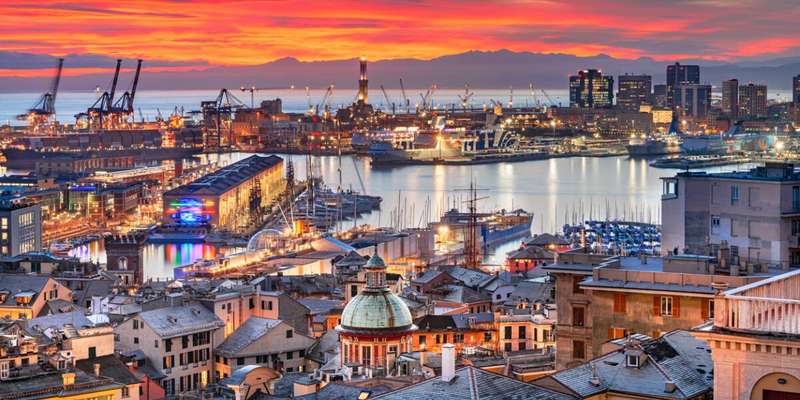
Why Genoa's alleyways confuse visitors (and how to spot the patterns)
Genoa's medieval urban design followed defensive logic rather than modern wayfinding principles. The caruggi twist intentionally to create choke points against invaders, with subtle elevation changes that aren't immediately obvious. What appears as random turns actually follow three distinct patterns: 'fishbone' alleys branching from main spines like Via San Lorenzo, concentric rings following ancient walls, and 'tunnel' passages cutting through building blocks. Watch for recurring motifs in street names – 'Salita' means a rising path, while 'Vico' indicates tighter spaces. Local shops leave subtle markers too: butchers traditionally display meat hooks in specific configurations near intersections, a holdover from when guilds maintained neighborhood wayfinding symbols. These details become compass points once you know to look for them.
View all Tours
Five caruggi landmarks most tourists miss (perfect orientation points)
Beyond the obvious attractions, Genoa's alleys hide distinctive landmarks that serve as perfect navigation aids. The 'Casa del Boia' (Executioner's House) on Vico del Campo has a unique triangular facade visible from multiple alley approaches. Near Piazza delle Erbe, a 15th-century fresco of the Madonna with a missing crown marks where three passageways converge – locals call this 'La Madonna del Perdono' for helping lost wanderers. The tiniest alley, Vico della Casana (just 58cm wide), has a perpetual dampness that creates a cool microclimate you'll feel before seeing it. These spots cluster in the Castello district, forming a natural circuit that avoids backtracking. Memorize just two and you'll always have fallback reference points when exploring.
View all Tours
When to explore for maximum atmosphere (and minimum crowds)
Timing transforms the caruggi experience. Dawn reveals the alleys' medieval character without tourist crowds – bakeries opening their wooden shutters provide natural light sources in shadowy stretches. Mid-mornings (10:30-11:30) see delivery carts creating temporary blockages best avoided. The magical 'blue hour' (90 minutes before sunset) bathes the stone walls in warm light while shops illuminate their displays, creating natural path lighting. Fridays differ – locals stock up for weekend meals, making alleys near Piazza della Raibetta bustling but rewarding for food sightings. Rainy days actually improve exploration: the stone becomes fragrant, fewer umbrellas navigate the narrow spaces, and cafes extend awnings that serve as covered pathways. Summer evenings require extra caution as some residential stretches lack lighting until 9PM.
View all Tours
Local-approved tools for stress-free navigation
Genovese residents have honed simple tools for alleyway navigation over generations. The free 'CaruggiApp' (developed by university students) uses your camera to identify alley names from architectural details when GPS fails in the tight spaces. Traditional paper maps work better if you mark the three main 'portali' (arched gateways at Piazza Dante, Porta Soprana, and Piazza delle Erbe) as anchor points. Many trattoria placemats feature simplified neighborhood maps – ask to photograph them. For deeper exploration, the city's 'Rolli Days' (when historic palaces open their interior passageways) reveal hidden through-routes unavailable year-round. These solutions balance tech and tradition, letting you enjoy the caruggi's mystery without true disorientation.
UPDATES FOR YEAR 2026
Smart Navigation and UNESCO Heritage: Modernizing the Medieval Experience
The historic center is currently undergoing a major revitalization via the 'Caruggi Plan,' which has introduced upgraded artistic LED lighting and a new unified signage system across the Prè, Molo, and Maddalena districts. These improvements significantly aid wayfinding in narrow stretches where GPS signals traditionally fail. Visitors should prioritize the expanded 'Rolli Days' schedule, which celebrates the twentieth anniversary of the city's UNESCO World Heritage status with unprecedented access to private aristocratic residences and temporary exhibitions like the major Van Dyck showcase at Palazzo Ducale. For logistical ease, the latest iteration of the municipal museum card now fully integrates the 'AMT' public transport network—including the iconic vertical elevators and funiculars—offering the most efficient way to navigate the steep elevation changes between the Porto Antico and the higher medieval ridges without the stress of manual ticketing.
View all Tours
FAQ 2026
What are the confirmed dates for the UNESCO Rolli Days in 2026?
Genoa will host the spring edition of Rolli Days from March 27–29, 2026, with a special anniversary edition scheduled for May 7–10, 2026; advance online booking for timed entry slots is mandatory due to high demand.
How much is the overnight tourist tax in Genoa for the 2026 season?
As of 2026, the municipal tourist tax is set at €3 per night for holiday homes and B&Bs, and up to €5 per night for 5-star luxury hotels, applicable for the first eight consecutive nights of your stay.
Is the Genoa Museum Card still a valid option for public transit in 2026?
Yes, the 2026 version of the Genoa Museum Card (available in 24, 48, or 72-hour increments) includes unlimited use of the city's AMT public transport system, including buses, the subway, and the essential vertical funiculars.
Written by Genoa Tours Editorial Team & Licensed Local Experts.
Last updated: 24/02/26
