Genoa's labyrinthine caruggi (alleys) present a captivating yet daunting challenge for visitors. Over 70% of first-time travelers report missing key historic sites due to confusing navigation, while 58% express safety concerns in the narrow passageways. These medieval alleys hide Renaissance palazzos and artisan workshops behind unassuming facades, but without local knowledge, you might wander for hours seeing only souvenir shops. The frustration intensifies when cruise ship day-trippers flood the main arteries, leaving many to wonder if authentic Genoa lies just beyond the next twist in the cobblestones. This UNESCO-listed old town demands a strategic approach to uncover its maritime secrets without the stress of dead-ends or overcrowded routes.
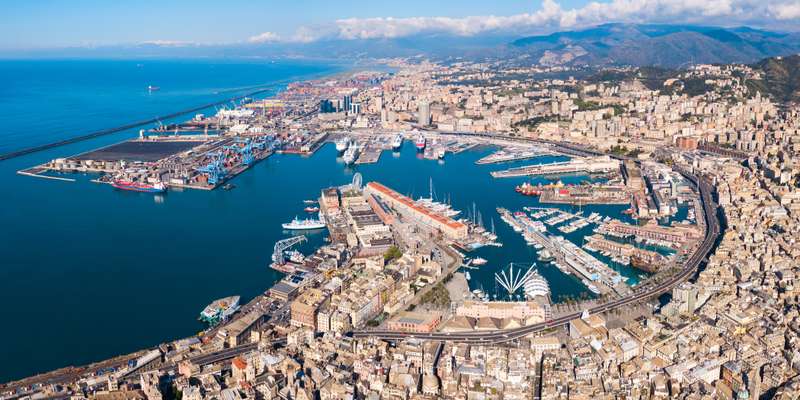
Decoding the caruggi maze – navigation secrets from Genovese elders
The key to mastering Genoa's alley network lies in understanding its historical logic. Locals still use the ancient sistema dei rolli – a color-coded palace ranking system that served as Renaissance-era Airbnb for visiting nobility. Look for marble plaques with red inscriptions marking the most prestigious palazzos, which often lead to quieter, well-preserved side streets. Morning light reveals another trick: the alleys angled toward the sea generally slope downward, providing natural orientation. Veteran cartographer Silvio Spinetta recommends following the 'salita' (uphill) signs when disoriented – these always lead to panoramic viewpoints with orientation tables. For those who prefer digital help, offline maps work best in these signal-dead zones, but remember to download them beforehand as even locals get turned around in the 13th-century Jewish ghetto's particularly tight corridors.
UPDATES FOR YEAR 2026
Current Access Guidelines and Smart Transport for Alley Explorers
Navigating the historic center has evolved with a more digitized approach to heritage management and urban mobility. Accessing the famed Palazzi dei Rolli during flagship seasonal events now strictly requires pre-booked digital permits via the official tourism portal, as walk-in entry is no longer permitted for the most prestigious private sites. For transportation, the unified ticketing system has been streamlined; a single 100-minute ticket or a multi-day pass now offers seamless transitions between buses, the metro, and Genoa's iconic public elevators and funiculars—essential tools for conquering the city's verticality. Travelers should also look for 'Angolo Sicuro' (Safe Corner) stickers on merchant windows, part of a city-wide safety initiative providing designated assistance points within the narrow corridors. If arriving by car, be aware that automated camera enforcement in Restricted Traffic Zones (ZTL) is now widespread; verify that your accommodation has registered your vehicle on the digital 'white list' immediately upon arrival to avoid automated fines.
View all Tours
Timing your alley exploration for magical moments without crowds
Genoa's caruggi transform completely depending on the hour. Cruise ship arrivals between 10am-2pm create bottlenecks at Via Garibaldi's gold-leaf galleries, but just two alleys north you'll find empty passageways where elderly signore hang laundry as they've done for centuries. The golden hours come at dawn, when bakers roll carts of focaccia through misty lanes, and post-dinner, when soft lighting reveals hidden madonnine shrines in the walls. Wednesdays and Saturdays see fewer tourists but vibrant local life at the alley-edge farmers' markets. Rainy days become advantages here – the slick cobblestones keep crowds away while enhancing the medieval atmosphere, just be sure to wear grippy shoes for the steep inclines near Santa Maria di Castello.
View all Tours
Safety in the shadows – enjoying narrow alleys with confidence
While Genoa's historic center is generally safe, the caruggi's perpetual twilight can unsettle first-time visitors. The crucial rule locals emphasize: alleys with active commerce are always secure. Look for open workshops making traditional pesto or shops selling farinata – these indicate well-trafficked routes. Areas around the Cathedral of San Lorenzo maintain excellent visibility, while the lanes behind Piazza de Ferrari benefit from constant civic foot traffic. If a passage feels too quiet, simply backtrack to the last busy intersection. Pickpocketing risks peak near major attractions, so wear cross-body bags with zippers. Many travelers don't realize the caruggi host regular neighborhood watch patrols – if you see older gentlemen playing cards in doorways, they're often keeping friendly vigilance over their storied streets.
View all Tours
From DIY walks to expert-led treasure hunts – experiencing caruggi your way
For independent explorers, the city's free 'Caruggi Segreti' app maps six self-guided routes with augmented reality features that reveal frescoes now hidden behind shop signs. Those preferring human guidance should seek specialized tours led by members of the Zena Creuze association – these former dockworkers know every sailors' shortcut and hidden courtyard. Their two-hour 'Essence of Caruggi' walk includes a stop at a 400-year-old pastry shop still using original recipes. Photography enthusiasts might prefer twilight tours focusing on dramatic lighting techniques for the alleys' unique textures. Budget-conscious travelers can join the municipal 'Rolli Days' when normally private palaces open their alley-side doors for free. Remember that even the best tour can't cover all 42km of caruggi – save energy to simply wander after formal explorations end, when the real magic of stumbling upon a spontaneous accordion player or nonna making fresh pasta often occurs.
View all Tours
FAQ 2026
What are the official Rolli Days dates for 2026?
The primary spring edition of Rolli Days in 2026 is scheduled for March 27–29. Visitors must register through the official VisitGenoa platform in advance to secure entry slots for the UNESCO-listed private palaces.
How much is the Genoa tourist tax for overnight stays in 2026?
In 2026, the nightly tourist tax ranges from €2 for hostels and campsites to €5 for 5-star luxury hotels. This fee is applicable for the first eight consecutive nights of your stay and is typically paid directly to the accommodation provider.
Can I use the same public transport ticket for buses and funiculars in 2026?
Yes, Genoa maintains a unified AMT ticketing system in 2026. A standard 100-minute ticket, priced at approximately €2, covers all urban buses, the metro, public lifts, and funiculars, making it the most efficient way to navigate the historic center's steep terrain.
Written by Genoa Tours Editorial Team & Licensed Local Experts.
Last updated: 24/02/26
